
The Difference Between Traditional Stucco and Synthetic (EIFS)
Understanding the difference between traditional stucco and synthetic (EIFS) helps homeowners choose the right exterior finish, and local contractors can expertly install either option.
Understanding the difference between traditional stucco and synthetic (EIFS) is an important step for property owners considering exterior cladding options. Each type offers distinct advantages and characteristics that can impact the appearance, durability, and overall performance of a building’s exterior. Whether renovating an existing property or planning a new construction, knowing these differences can help in making informed decisions that align with practical needs and aesthetic preferences. Local contractors who specialize in stucco installation can provide valuable insights into these options, helping property owners choose the right solution for their specific project.
For those exploring exterior finishes, recognizing the practical reasons to consider traditional stucco or synthetic (EIFS) can make a significant difference. Traditional stucco is known for its classic look and long-lasting durability, while synthetic stucco offers a lightweight alternative with flexible design possibilities. Property owners in the area often turn to experienced service providers to ensure proper installation and optimal results. Continuing to learn about the distinctions between these materials can help in selecting the best approach for enhancing a building’s exterior, with local experts ready to assist in bringing that vision to life.
- Traditional stucco installation services are ideal for homeowners seeking a classic, durable exterior finish and can be handled by local contractors experienced in traditional methods. Synthetic (EIFS) stucco installation is suitable for projects requiring enhanced insulation and a flexible finish, with local service providers skilled in applying modern synthetic systems. When choosing between the two, local pros assess the building’s structure and climate to recommend the most appropriate stucco type. Both traditional and synthetic stucco services involve detailed surface preparation and application techniques performed by experienced local contractors. Contacting local pros can help determine which stucco option best aligns with the specific needs of a building project.

The difference between traditional stucco and synthetic (EIFS) often comes up when homeowners are considering exterior finishing options for their properties. When people search for this topic, they usually want to understand how each material looks, performs, and what kinds of maintenance or repairs might be involved. Many are planning renovations, new construction, or repairs after noticing issues like cracking or moisture intrusion. Understanding these differences helps homeowners decide which system best suits their property’s needs, whether that involves restoring an older home or installing a durable finish on a new build.
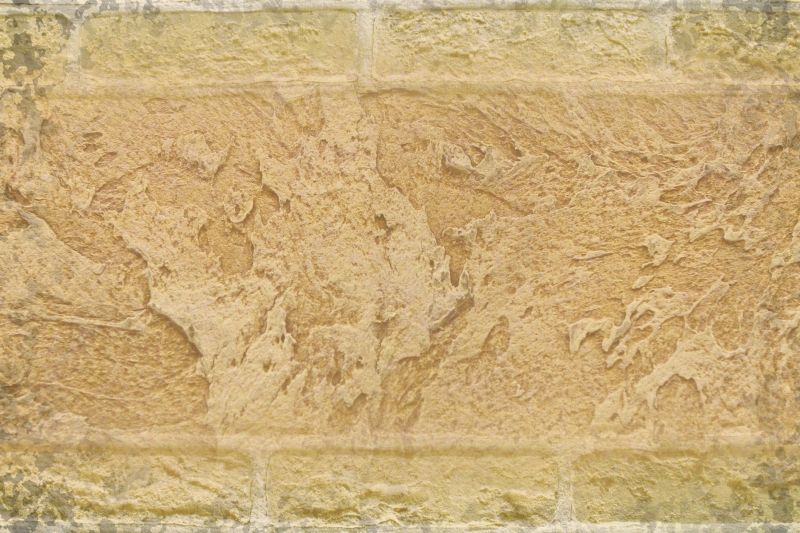
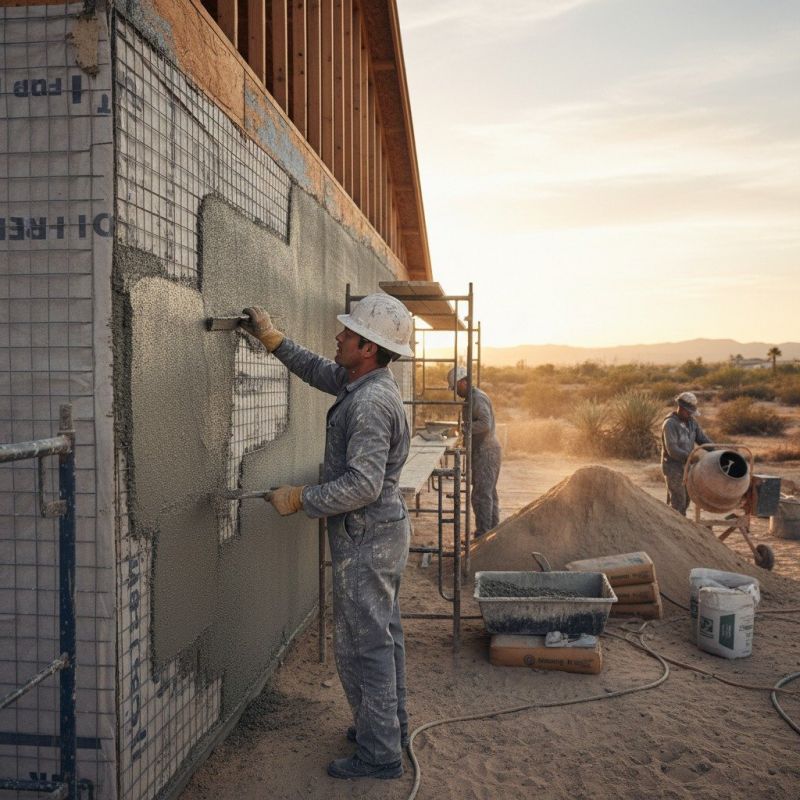
Traditional stucco is a cement-based material that has been used for centuries, primarily composed of Portland cement, sand, and water. It is applied in multiple coats directly onto a prepared surface, creating a solid, textured exterior. This method is known for its durability and long history of performance, especially on homes with masonry or wood framing. Synthetic (EIFS), or Exterior Insulation and Finish Systems, is a more recent development that combines insulation with a thin, lightweight outer layer. EIFS typically involves attaching foam boards to the exterior, then covering them with a synthetic finish that can mimic various textures and appearances.
The types of properties that typically come up when discussing these systems include residential homes, commercial buildings, and even some multi-family complexes. Traditional stucco is often chosen for its classic look and proven longevity on older or historic properties, especially where a textured or seamless appearance is desired. Synthetic stucco, on the other hand, is popular for new construction or renovation projects where energy efficiency and flexibility in design are priorities. Homeowners with properties that face issues like cracking, moisture problems, or uneven surfaces may also explore these options to determine which system offers better performance and repairability.
Local service providers who specialize in stucco and EIFS installation can help homeowners evaluate their property’s specific needs and recommend suitable solutions. They handle the application, repair, and maintenance of both traditional and synthetic systems, ensuring proper installation to maximize durability and appearance. Whether a homeowner is restoring a historic home with traditional stucco or upgrading to an energy-efficient synthetic system, working with experienced local contractors can provide clarity on the best approach for their property. This connection to local experts helps ensure that the chosen system is installed correctly and performs as expected over time.
Exterior wall coating projects - service providers experienced in applying various types of exterior finishes, including traditional stucco and synthetic EIFS, can help with wall surface preparation and application techniques.
Insulation enhancement projects - contractors skilled in building envelope improvements often work with synthetic stucco systems that incorporate insulation layers for energy efficiency.
Facade renovation services - local contractors familiar with stucco and EIFS can assist in restoring or updating building exteriors to improve appearance and durability.
Weatherproofing and sealing projects - professionals experienced in exterior finishes can help ensure proper sealing and weather resistance for both traditional and synthetic stucco systems.
Architectural moldings and textured finishes - specialists in decorative exterior finishes can incorporate stucco or EIFS techniques to enhance building aesthetics.
Building wrap and substrate preparation - service providers adept at preparing wall surfaces for different cladding systems can assist in ensuring proper adhesion and performance of stucco and EIFS applications.
When evaluating service providers for traditional or synthetic stucco installation, it’s important to consider their experience with similar projects. Homeowners should seek out contractors who have a proven track record working with both types of stucco systems, as this indicates familiarity with the specific techniques and materials involved. An experienced contractor can better anticipate potential challenges and ensure that the chosen stucco type aligns with the home’s structure and aesthetic goals. Additionally, reviewing references or examples of past work can provide insight into the contractor’s ability to deliver quality results and handle projects similar in scope and style.
Clear written expectations are essential when comparing local contractors for stucco installation. Homeowners should request detailed proposals that outline the scope of work, materials to be used, and the process involved in both traditional and synthetic stucco applications. A well-prepared estimate helps prevent misunderstandings and ensures that all parties are aligned on project deliverables. It’s also beneficial to inquire about the contractor’s approach to addressing potential issues, such as moisture management or surface preparation, which are critical factors in the longevity and performance of either stucco system.
Effective communication and reputable references play a crucial role in selecting a reliable service provider. Homeowners should prioritize contractors who are transparent about their work process and willing to answer questions thoroughly. Asking for references from previous clients who had similar stucco projects can provide honest insights into the contractor’s professionalism, project management skills, and quality of workmanship. Good communication fosters a smoother installation process and helps ensure that expectations are met throughout the project, whether installing traditional stucco or synthetic (EIFS).
Get a Quote for Traditional Or Synthetic Stucco Installation
Property owners often search for the difference between traditional stucco and synthetic (EIFS) when they are planning practical projects around their homes and businesses. Local pros provide Traditional or Synthetic Stucco Installation services for everyday jobs and straightforward project options.

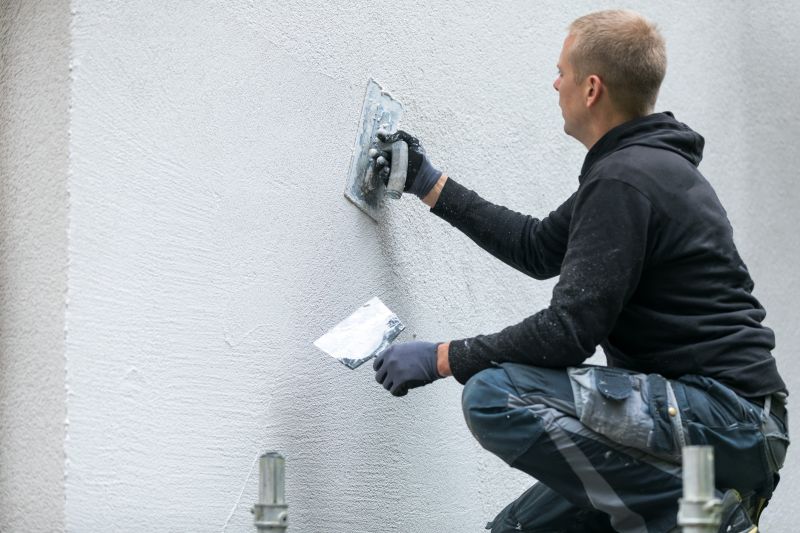
Understanding the difference between traditional stucco and synthetic (EIFS) is helpful for property owners considering exterior wall finishes. Traditional stucco is a cement-based material that is applied in multiple layers directly onto the building’s surface, offering a durable and textured look. It’s often chosen for its classic appearance and long-lasting qualities, making it suitable for homes or commercial buildings that need a sturdy, weather-resistant exterior. On the other hand, synthetic (EIFS) is a modern, lightweight alternative that involves installing a foam insulation board covered with a synthetic finish. It provides a smooth or textured surface and can offer better insulation properties, which may appeal to property owners looking for improved energy efficiency or a more customizable aesthetic.
For those exploring installation options, local contractors can clarify which type of stucco best suits specific project needs. Traditional stucco might be preferred for its proven durability and traditional appearance, especially in areas where climate and building codes favor cement-based finishes. Synthetic (EIFS), however, might be considered for its flexibility in design and potential energy benefits. Property owners often look into these differences to determine which option aligns with their budget, desired look, and long-term maintenance expectations. Connecting with experienced local service providers can help ensure the right choice is made for each individual project.
Get a Quote for Traditional Or Synthetic Stucco Installation
What is the main difference between traditional stucco and synthetic (EIFS)? Traditional stucco is made from cement, sand, and water, applied in multiple coats, and has a textured, durable finish. Synthetic (EIFS) uses foam insulation boards covered with a thin, protective coating, offering a smoother appearance and better insulation properties. Local contractors can help determine which option best suits specific building needs.
How do traditional stucco and synthetic (EIFS) compare in terms of durability? Traditional stucco is known for its long-lasting, weather-resistant qualities, while synthetic (EIFS) offers good durability with added benefits like improved insulation. The choice of installer can influence the lifespan and performance of either system.
Can local service providers install both traditional stucco and synthetic (EIFS)? Yes, many local contractors are experienced in installing both types of stucco systems, allowing homeowners to choose the best option based on their building's requirements and desired appearance.
What are the typical finishes available with traditional stucco versus synthetic (EIFS)? Traditional stucco provides a textured, rough finish, while synthetic (EIFS) typically offers a smooth or lightly textured surface. Service providers can help achieve the desired aesthetic with either system.
Are there differences in maintenance needs between traditional stucco and synthetic (EIFS)? Traditional stucco generally requires minimal maintenance, but synthetic (EIFS) may need periodic inspections to address any damage or cracks in the coating. Local pros can advise on proper upkeep for each system.
Understanding material differences - Property owners can explore how traditional stucco and synthetic (EIFS) differ in appearance and durability to choose the best option for their building.
Assessing insulation needs - Knowing the insulation properties of each system helps property owners decide which stucco type enhances energy efficiency in their project.
Matching style with function - Local contractors can advise on how the aesthetic and performance qualities of traditional or synthetic stucco align with the property's design goals.
Planning for maintenance - Property owners can consider the maintenance requirements of each stucco type to ensure long-term appearance and performance with the help of local service providers.
If you are thinking about the difference between traditional stucco and synthetic (EIFS) for a property, this guide is meant to help you understand this topic, the typical project types, and how different options might fit your plans.
When you are ready, you can use the quote form on this page to share a few details about your project. From there, local pros can review the basics and follow up with options that match what you have in mind.
Get a Quote for Traditional Or Synthetic Stucco Installation